Accuracy is the silent backbone of any measurement-reliant operation. When a scale drifts, it doesn’t just show an incorrect number; it eats into your profit margins, compromises safety, and risks your regulatory standing. Finding the right partner to maintain these instruments is a high-stakes decision that dictates the efficiency of your entire supply chain.
In the weighing industry, we know that a “one-size-fits-all” approach usually fits no one well. Whether you are weighing 80,000-pound rigs or milligram-sensitive laboratory samples, the technician standing over your equipment needs to understand more than just the digital display—they need to understand the physics of the load. As you evaluate a scale calibration company, here are five essential pillars to ensure your choice provides more than just a sticker on the side of a machine.
#1 Technical Expertise with Your Specific Scale Type
The weighing industry is incredibly diverse. A company that spends all day working on supermarket food scales might not have the heavy-duty rigging equipment or the technical nuance required to calibrate mining truck scales. Expertise isn’t just a buzzword; it is a deep familiarity with the mechanical stressors and electronic complexities of your specific hardware.
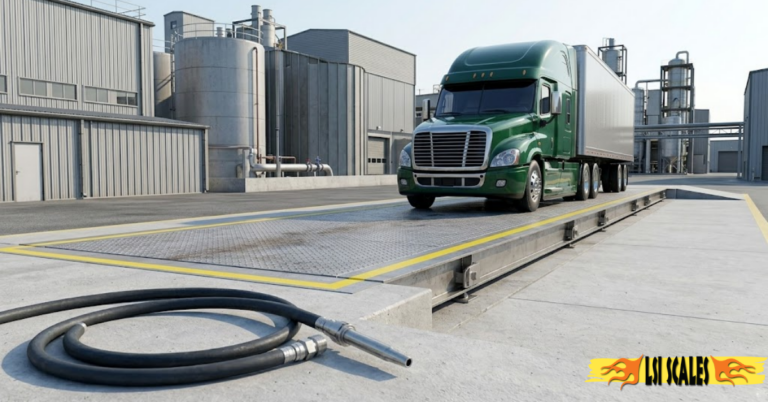
In many industrial environments, scales are subjected to harsh conditions—vibration, temperature swings, and heavy debris. A seasoned technician knows that truck scales in a gravel pit require a different inspection protocol than laboratory scales in a climate-controlled pharmaceutical room. We have spent over 50 years working across this entire spectrum. From tank scales used in chemical processing to counting scales used in high-volume manufacturing, the tools and the “touch” required are vastly different.
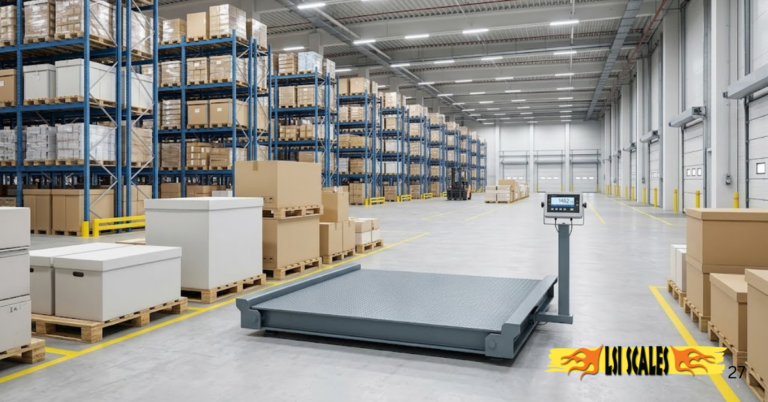
You should ask your provider if they have experience with industrial and factory scales or specialized equipment like forklift scales and axle scales. If they specialize in only one niche, they might miss the broader system issues that a full-service provider would catch. Our team understands that our scales are only as good as the service behind them.
#2 ISO/IEC 17025 Accreditation and NIST Traceability
In the world of measurement, trust is verified through an unbroken chain of documentation. If a company claims to calibrate your scales but cannot prove the traceability of their test weights, the service is essentially meaningless for compliance. You must look for a company that offers certified scales and services that are NIST-traceable.
Accreditation like ISO/IEC 17025 is the gold standard. It doesn’t just mean the company has good equipment; it means their laboratory and field technicians have been audited for their technical competence. This is vital for industries with strict regulatory oversight, such as feed commodities or chemical scales.
When we provide a certified scale in California or certified scales in Arizona, we provide the documentation that proves the measurement is accurate according to national standards. This documentation is your shield during an audit. It protects your business from liability and ensures that when you say a pound is a pound, the state and your customers believe you. Whether you need certified scales in Washington or certified scales in Oregon, never settle for a provider who treats paperwork as an afterthought.
#3 On-Site Capabilities and Rapid Emergency Response
Your scales are the heartbeat of your facility. If a scale goes down at a scrap and recycling scales yard or a waste management scales site, the entire operation grinds to a halt. You cannot afford to ship your equipment to a lab and wait two weeks for a return. You need a partner that brings the lab to you.
On-site scale services are about more than convenience; they are about accuracy in the environment where the scale actually lives. Factors like wind, floor levelness, and local gravity can affect performance. We prioritize rapid deployment across the West Coast, ensuring that scales in Fresno or certified scales in Los Angeles receive the same high-level attention.
Downtime is a silent profit killer. We’ve structured our LSI scales locations to ensure that when a scale repair is needed, we are there quickly. A quality company should offer 24/7 support because your business doesn’t always stop at 4:30 PM. We also offer equipment scales rentals to keep you operational while your primary units are being serviced or overhauled.
#4 Comprehensive Maintenance Beyond Just Calibration
A “splash and dash” calibration—where a technician just checks the numbers and leaves—is a recipe for future failure. A truly reliable partner looks at the health of the entire system. Are the load cells showing signs of fatigue? Is there moisture in the junction box? Is the scale installation still sound?
We believe in a proactive approach through preventive maintenance. This isn’t just about passing an inspection; it’s about extending the life of your investment. For instance, agricultural farm scales often deal with heavy mud and corrosive fertilizers. Without regular cleaning and inspection, the physical structure of the scale will fail long before the electronics do.
Sometimes, a simple calibration isn’t enough. Your provider should be capable of performing a full scale overhaul or providing specialized jack and grease services to ensure mechanical parts move freely. We also offer adjacent services like temperature calibration services and pressure calibration services for clients who need comprehensive laboratory support. By consolidating these needs, you reduce the logistical headache of managing multiple vendors.
#5 Industry-Specific Knowledge and Transparency
The legal requirements for transportation scales differ wildly from those in produce scales or cattle livestock scales. You need a partner who understands the “Legal for Trade” requirements in your specific jurisdiction. If you are operating certified scales services in San Francisco, the local weights and measures standards might have specific nuances that a national, disconnected firm might overlook.
Transparency is the final piece of the puzzle. You should have easy access to your calibration certificates and a clear understanding of what was done. We pride ourselves on the caliber of our staff—certified technicians who take the time to explain the “why” behind their findings. Whether we are servicing bench scales, floor scales, or cylinder drum scales, we aim to be a partner in your growth, not just a line item on your ledger.