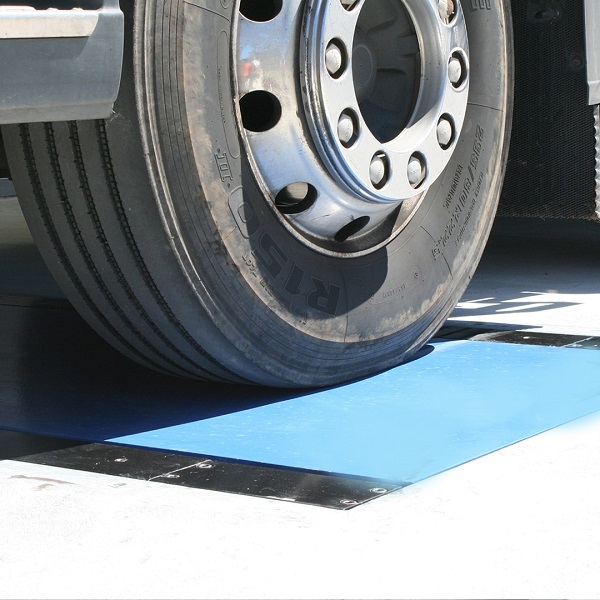
For fleet managers and owner-operators, maintaining DOT weight compliance is a non-negotiable part of the job. According to the Federal Motor Carrier Safety Administration (FMCSA) and the DOT bridge formula, staying within strict gross vehicle weight (GVW) and axle weight limits is essential. A miscalculated load doesn’t just put undue wear on your trucks and local infrastructure—it makes you a prime target for severe overweight citations at state weigh stations.
The most effective way to know how to avoid overweight truck fines is by ensuring your weighing equipment is dead-on accurate. That starts with routine, professional axle scale calibration.
Why Axle Scale Accuracy Directly Affects Your Bottom Line
A truck scale isn’t a “set it and forget it” piece of equipment. Over time, environmental factors, heavy usage, and general wear and tear cause scale drift. When your scale drifts out of tolerance, your readings become unreliable. You might think you are legally loaded when leaving the yard, only to get hit with a massive fine at a DOT weigh station.
An overweight citation doesn’t just cost you the initial fine. It costs you downtime while the truck is sidelined, forced offloading fees, and potential hits to your safety rating. Relying on an accurate DOT weight compliance scale is your primary defense against these cascading financial losses. Ensuring your axle scales are part of your broader truck scales management strategy is essential for protecting your bottom line.
Static vs. Portable Axle Scales — Which Is Right for Your Fleet
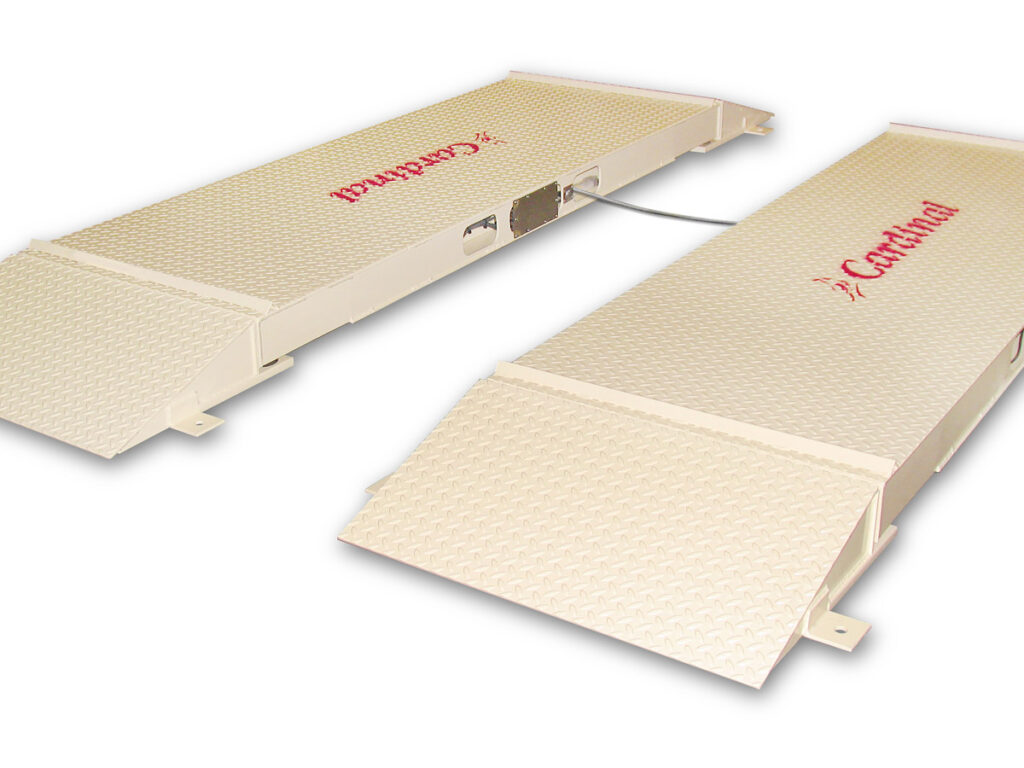
When looking into axle weighing systems, you will generally choose between static and portable options. Understanding the difference between static vs portable axle scales can help you optimize your logistics and compliance.
- Static Axle Scales: Permanently installed, these scales are incredibly durable and handle high volumes of traffic with ease. They are ideal for dedicated yards and shipping hubs.
- Portable Axle Scales: These can be moved from site to site, making them perfect for temporary job sites like construction zones or agricultural fields. However, portable axle scale accuracy heavily depends on the scale being placed on level, stable ground.
For a deeper dive into the different setups available for your operations, you can read our guide on the types of truck weight scales.
How Often Should Axle Scales Be Calibrated?
One of the most common questions fleet operators ask is: how often should axle scales be calibrated? The answer depends on your usage volume, the environment, and state regulations, but as a general rule of thumb, heavy-use commercial scales should undergo NIST-traceable calibration every three to six months.
If you operate in harsh conditions (extreme temperatures, mud, ice, or corrosive materials), you may need more frequent checks. If your scale needs to be taken offline for an extended calibration or repair, you might consider reviewing our truck scale rental vs. purchase guide to keep your operations moving smoothly while your primary equipment is serviced.
Warning Signs Your Axle Scale Is Drifting Out of Tolerance
Catching miscalibration early can save you thousands of dollars. Look out for these warning signs that indicate your load cells or scale indicators might be failing:
- Inconsistent zero readings: The scale does not return to zero after a truck pulls off.
- Fluctuating weights: The weight reading bounces around even when the truck is completely still.
- Discrepancies with known weights: The scale reads differently than a recently weighed load from another trusted truck weight scale nearby.
If you notice any of these signs, you need to schedule a scale repair immediately before loading another outgoing truck.
What to Do If You Receive an Overweight Citation
Even with the best intentions, mistakes happen. If one of your drivers receives a weigh station overweight ticket, here is how to handle and potentially dispute it.
- Verify the Scale Certification: Check the citation for details on the state scale used. If the state’s scale hasn’t been calibrated according to state Weights & Measures standards, you may have grounds for dismissal.
- Check Your Own Documentation: Pull the weight tickets generated by your own calibrated axle scale before the truck left your yard.
- Request Proof of Calibration: Provide your own recent NIST-traceable calibration certificate to the court to prove your equipment was legally compliant at the time of loading.
- Consult a Legal Professional: If the fine is substantial, work with an attorney who specializes in transportation law and understands the DOT bridge formula axle weight limits.
Building a Preventive Maintenance Routine for Axle Scales
The best way to handle overweight citations is to never get them in the first place. An ad-hoc approach to scale maintenance is a recipe for disaster. By implementing a strict, documented preventive maintenance program, you can extend the lifespan of your scale, ensure continuous accuracy, and avoid sudden breakdowns.
Routine maintenance should include cleaning debris from around the load cells, checking for wire damage, and scheduling recurring professional calibrations. Don’t let scale drift eat into your profits. Contact LSI Scales today to schedule your axle scale calibration and keep your fleet DOT-compliant.